
New regulation on public procurement
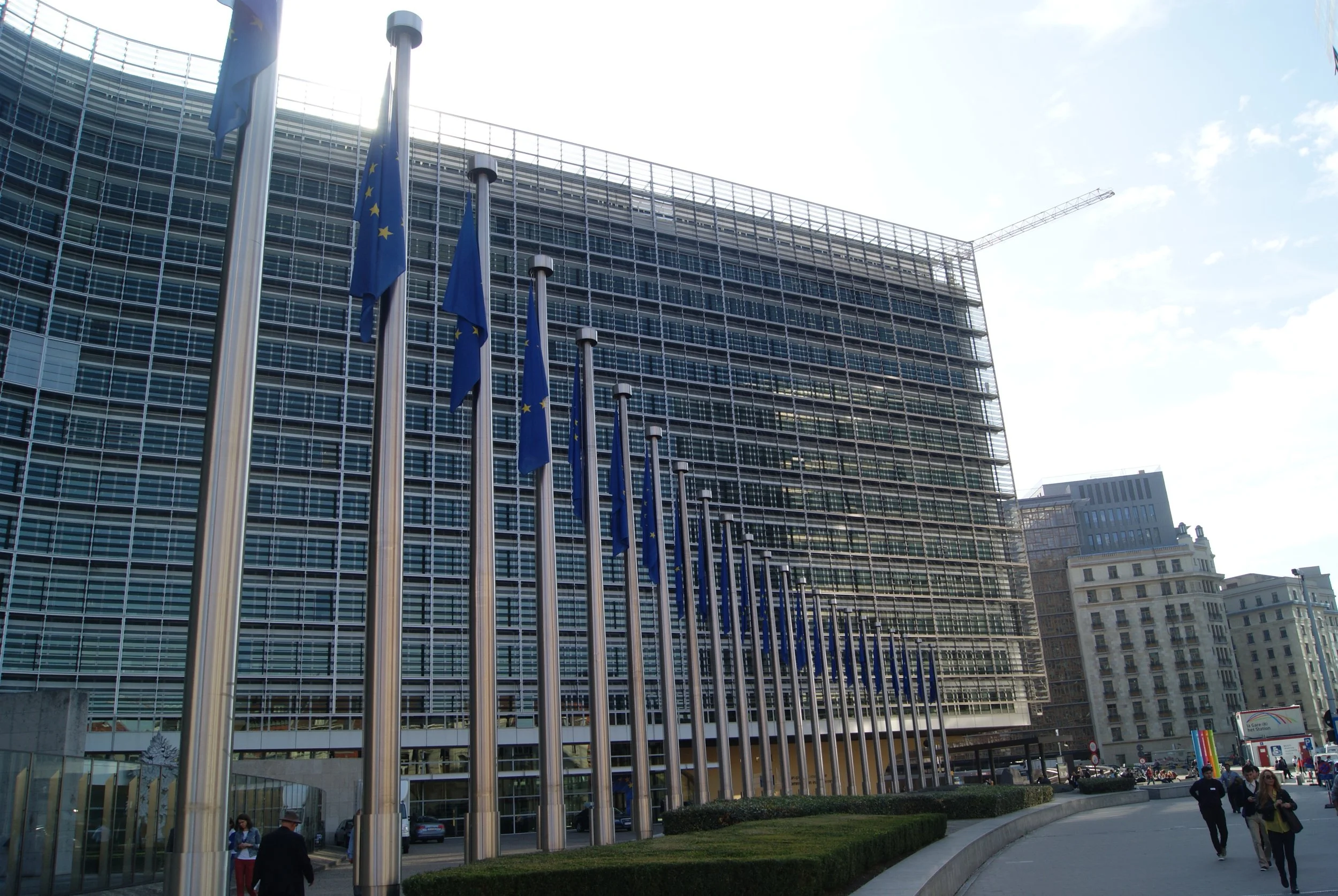
In September, the European Commission adopted a proposal for a law on public procurement. The proposal entails more EU control over how the public sector purchases, which could lead to less flexibility for individual European countries.
Every year, public authorities in the EU spend around EUR 2,600 billion on procurement from external suppliers. The main purpose of the new legislative proposal is to strengthen the use of strategic procurement and contribute to a level playing field for businesses across Europe. In Norway, public sector procurement is also a very important part of the economy. In a new geopolitical climate, the question of how these procurements should be carried out – and whether requirements other than the lowest possible price should be set – is becoming increasingly relevant.
Competitiveness is high on the EU agenda, and a number of proposed legislative measures aim to strengthen Europe's competitiveness and pave the way for further economic development. The European Commission wants to use public procurement as a strategic tool to strengthen EU industry and foster innovation. Procurement will now contribute to the green and digital transitions, while strengthening Europe's economic security and strategic autonomy.
The new proposal is a binding regulation. This means a stricter set of rules than the current directive, which gives EU/EEA countries more room for adaptation in how they implement the rules. Norway is among the countries that did not want the rules to take the form of a regulation. The Commission's proposal is mainly based on three key measures that will help to realise these ambitions:
A common process and a common framework for the entire EU
New mandatory conditions: European Preference criterion and Best Price-Quality Ratio
A digital marketplace platform for all public procurement in Europe
The new regulation means that public buyers can give greater priority to suppliers from the EU and certain countries covered by special agreements. This can be done, for example, by setting requirements for the origin of the goods or services. The EU's desire to protect its own industry and reduce dependence on third countries is thus reflected in the framework for public procurement.
At the same time, the principle of Best Price-Quality Ratio means that at least 30 percent of the assessment must be based on factors other than price, such as quality, environment, social considerations and safety. This means that there is less opportunity than before to focus on price alone. The aim is to ensure that public procurement is not just about choosing the cheapest offer, but also about safeguarding broader societal considerations and long-term needs.
The Procurement Regulation is marked as EEA relevant, which means that all or part of the regulations will have significance for Norway. The Commission's proposal must be understood as meaning that EEA countries are within the definition of "European", and that this will apply to the Norwegian public sector and Norwegian business sector in the future. The assumption is that this understanding of what is within and outside the European will remain valid throughout the further consideration in the Council and Parliament. See also the separate case in the European Letter on the European Parliament's ongoing discussion on Made in Europe . The proposal for a new regulation is now being forwarded to the other EU institutions, and the process is expected to last until the end of 2027.
It will be important to monitor how the new rules may affect the conditions of competition, price levels and market access for Norwegian businesses, as well as what new opportunities the regulation may open up. Similarly, early insight into future regulations is important for everyone working with public procurement – there may be both new obligations and new opportunities.
VNB will return with a more in-depth review of the regulations at a later date. Members will also receive a technical note in VNB's note series that highlights the opportunities and challenges the regulations may pose for our members, as well as possible developments and the further process towards incorporation into the EEA Agreement.